

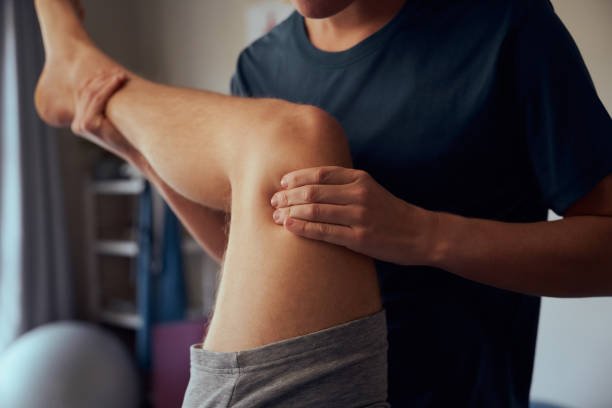
Discover effective hip pain treatment in Monmouthshire. Learn causes, symptoms, exercises, and strategies to reduce discomfort and improve mobility.
The hip joint plays a central role in almost everything we do: walking, sitting, squatting, climbing stairs, and even sleeping comfortably. When hip pain strikes, it can significantly impact your quality of life. Understanding how to approach hip pain treatment and relief starts with identifying the root cause.
Ever struggle with pain in your hip when walking, sitting, or exercising? If so, you’re not alone. I work with clients every day to help them manage hip discomfort and restore movement safely and effectively. Whether you’re searching for hip pain treatment in Monmouthshire, looking for ways to manage symptoms at home, or simply want guidance on staying active, this blog explains common causes of hip discomfort and outlines practical strategies often used for hip pain treatment.
Table of Contents
The Basics: Hip Anatomy for Hip Pain Treatment
The hip is a ball-and-socket joint, where the femoral head (top of your thigh bone) fits into the acetabulum (socket in your pelvis). It is stabilised by muscles, ligaments, tendons, and cartilage that all work together for smooth movement.
Because of its central role in weight-bearing and movement, the hip is susceptible to wear and tear, overuse, impingement, and trauma. Understanding hip anatomy is essential for effective hip pain treatment and recovery, and helps you follow safe mobility drills for hip pain.
Common Conditions Associated With Hip Pain
A proper diagnosis should always be made by an appropriate healthcare professional such as a GP, physiotherapist, or orthopaedic specialist.
1. Muscle Strains or Tendinopathies
Overuse or sudden loading of hip muscles (hip flexors, glutes, adductors) can lead to strain or tendon irritation.
Typical in: Athletes, runners, and those with muscular imbalances
Pain location: Front (groin), side (lateral hip), or back of hip
Learn more about our Massage Therapy services to support hip pain recovery and personalised treatment plans.
2. Hip Impingement (FAI – Femoroacetabular Impingement)
In some people, structural differences in the hip joint can lead to friction during certain movements.
Common in: Young athletes, those with limited hip mobility
Symptoms: Sharp pain during deep flexion (squatting, sitting), clicking, or catching
3. Labral Tear
Tears of the labrum (cartilage lining the hip socket) can result from trauma or impingement.
Symptoms: Deep groin pain, instability, clicking or locking sensation
4. Hip Bursitis
Inflammation of the bursae (fluid-filled sacs reducing friction) causes pain on the outer hip.
More common in: Middle-aged adults, particularly women
Aggravated by: Lying on the affected side, climbing stairs, prolonged standing
5. Osteoarthritis
Degeneration of joint cartilage leads to stiffness, pain, and reduced range of motion.
Common in: Older adults or those with history of joint loading injuries
Signs: Morning stiffness, grinding sensation, reduced mobility.
For more detailed information about osteoarthritis, you can refer to NHS guidance on hip pain. If you have persistent or worsening symptoms, you should always see your GP for advice.
Note: This is also relevant for people looking for non-surgical solutions for hip osteoarthritis.
6. Referred Pain
Pain felt in the hip may actually come from the lower back, pelvis, or sacroiliac joint.
May present as: Dull ache in the hip or buttock, pain with sitting, or radiation down the thigh
Signs It’s Time to See a Professional for Hip Pain Treatment
- Persistent pain lasting longer than 2 weeks
- Pain disrupting sleep or daily activity
- Clicking, locking, or instability in the joint
- Pain radiating to the thigh, groin, or buttock
- Loss of strength or mobility in the leg
Early assessment supports faster recovery and more effective treatment. Don’t wait for pain to become chronic.
Book an assessment in Monmouthshire today to start a personalised plan.
Managing and Rehabilitating Hip Pain
1. Load Management
Hip pain often comes from overdoing activity such as running, lifting, or sports. Adjusting your activity levels is essential for effective treatment.
2. Restore Mobility
Tight hip flexors, glutes, and low back muscles contribute to discomfort. Stretching, mobility drills, and foam rolling reduce stiffness and support hip pain management and hip mobility.
3. Strengthen Surrounding Muscles
Strong glutes, core, and pelvic stabilisers help support and protect the hip. Below are general examples commonly included in hip rehabilitation programmes.
These are provided for educational purposes only and may not be suitable for everyone. Always seek an individual assessment from a qualified healthcare professional before starting a new programme.
- Glute bridges
- Side-lying leg lifts
- Step-downs
- Core control exercises
These exercises are commonly used to support hip strength, mobility, and overall function. If symptoms suggest a more complex joint issue or medical condition, consult a GP or qualified healthcare professional.
You can also learn more about our MSK Rehabilitation services to support your recovery.
4. Address Biomechanical Issues
Flat feet, poor pelvic alignment, or leg length differences can affect hip mechanics. A trained professional can assess movement patterns and help improve mechanics through targeted exercises and treatment.
5. Manual Therapy and Modalities
Techniques such as manual therapy, soft tissue work, and guided rehabilitation exercises may help reduce discomfort and improve movement.
Learn more about our Massage Therapy services to complement your rehabilitation plan and strategies for hip pain relief.
Many people find that combining hands-on techniques with gradual exercise progressions can help support recovery and maintain long-term mobility.
Client Feedback ⭐️⭐️⭐️⭐️⭐️
“I was having problems with my hips and lower back. After a few sessions, I had relief along with exercises and guidance to improve strength and posture. Alex is knowledgeable, highly professional, and a very nice guy.” – Google Review
If you want to start your own personalised plan, learn more about Revitalise Motion here
Prevention Tips for Ongoing Hip Pain Management
- Make sure to warm up before any activity
- Try to vary your movements to avoid repetitive strain
- Progress training gradually, especially with running or lifting
- Pay attention to posture and core control
- Avoid prolonged sitting, move often throughout the day
Prevention strategies are a key component of managing hip pain, helping you stay active and reduce discomfort. These are practical hip pain recovery tips for everyday activities.
Final Thoughts on Hip Pain Treatment
Many cases of hip pain respond well when addressed early with the right combination of activity modification, exercise, and hands-on therapy.
If you’re struggling with hip discomfort, don’t ignore it. Whether from sport, daily life, or age-related changes, there are strategies and treatments that can help you move pain-free again.
Contact me in Monmouthshire to start your personalised plan today, including exercises and strategies tailored to your lifestyle.
You might still have some common questions about hip pain and recovery. Here are answers to what people often ask.
Frequently Asked Questions (FAQ) for Treating Hip Pain
Q1: Can hip pain be treated without surgery?
A: Yes. Most hip pain can benefit from exercise therapy, load management, and hands-on treatment to help manage symptoms.
Q2: How long does hip pain rehabilitation take?
A: Recovery varies depending on the cause and severity, but many clients notice improvement within 4–6 weeks when following a structured hip pain treatment plan.
Q3: What exercises help relieve hip pain?
A: Common exercises include glute bridges, side-lying leg lifts, step-downs, and core stabilisation movements. These are examples of exercises to relieve hip pain safely. Your therapist can personalise exercises to target your specific hip muscles.
Q4: When should I see a professional for hip pain?
A: If pain persists longer than two weeks, disrupts daily activities or sleep, causes clicking or instability, or radiates to the thigh, groin, or buttock, you should seek professional advice.
Q5: Can lifestyle changes prevent hip pain?
A: Yes. Regular movement, varied activities, gradual training progression, stretching, posture awareness, and core strengthening all help reduce the risk of recurring hip pain, forming part of hip pain treatment and prevention in Monmouthshire.
Disclaimer: This content is for educational purposes only and is not a substitute for professional medical advice. Consult a qualified health professional for advice.